If you’ve ever noticed how much hotter it feels in the city compared to surrounding parks or countryside, you’ve experienced what scientists call the Urban Heat Island (UHI) effect.
As cities grow denser with buildings, roads, and vehicles, they trap and retain more heat, making urban environments several degrees warmer than nearby rural areas.
With Singapore and other global cities facing more frequent heatwaves, understanding the urban heat island effect is crucial to designing cooler, more resilient cities.
What Is the Urban Heat Island Effect?
The urban heat island effect refers to the phenomenon where urban areas experience significantly higher temperatures than their rural surroundings.
This occurs because natural land surfaces that absorb and release heat slowly (ie. vegetation and soil) are replaced by concrete, asphalt, and glass, which absorb and retain heat during the day and release it slowly at night.
Key Factors That Contribute to Urban Heating:
1. Dark surfaces (ie. roads, rooftops, and buildings) that absorb solar radiation
2. Reduced vegetation, leading to less shade and evapotranspiration
3. Waste heat from vehicles, air conditioners, and industrial activities
4. Dense building layouts that trap warm air and reduce airflow
Why Is the Urban Heat Island Effect a Growing Concern?
1. Increased Energy Consumption
Hotter temperatures mean greater reliance on air conditioning. This leads to higher energy use, operational costs, and carbon emissions, further exacerbating the climate problem.
2. Health and Comfort Impacts
Heatwaves intensify health risks such as heat exhaustion, dehydration, and respiratory issues, especially among vulnerable populations like the elderly or outdoor workers.
3. Environmental Degradation
Warmer urban environments can worsen air pollution and ground-level ozone formation, impacting both human health and ecosystems.
How Green Infrastructure Can Help Cool Our Cities
Cities can combat rising temperatures by integrating green infrastructure and nature-based solutions that restore vegetation, improve airflow, and reduce heat absorption.
1) Green Roofs

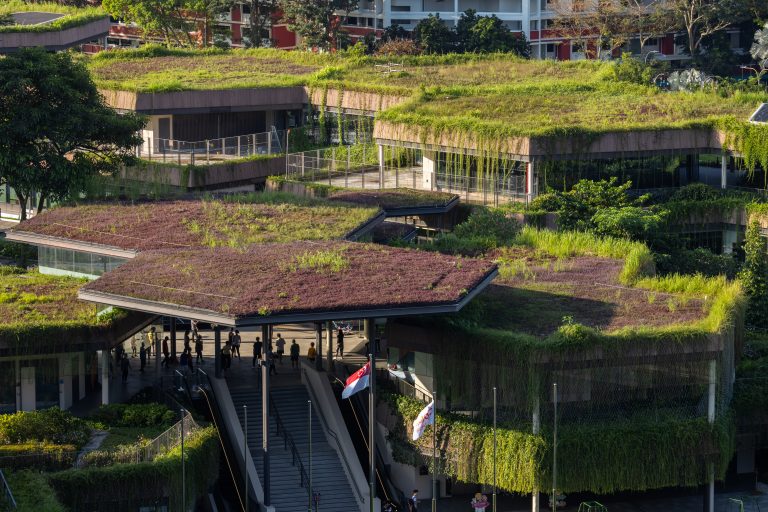
By covering rooftops with vegetation, green roofs lower surface temperatures, reduce energy use, and help insulate buildings naturally. They also absorb rainwater, contributing to stormwater management and reducing flood risks.
2. Green Walls and Vertical Gardens

Green Wall @ Punggol Town Hall
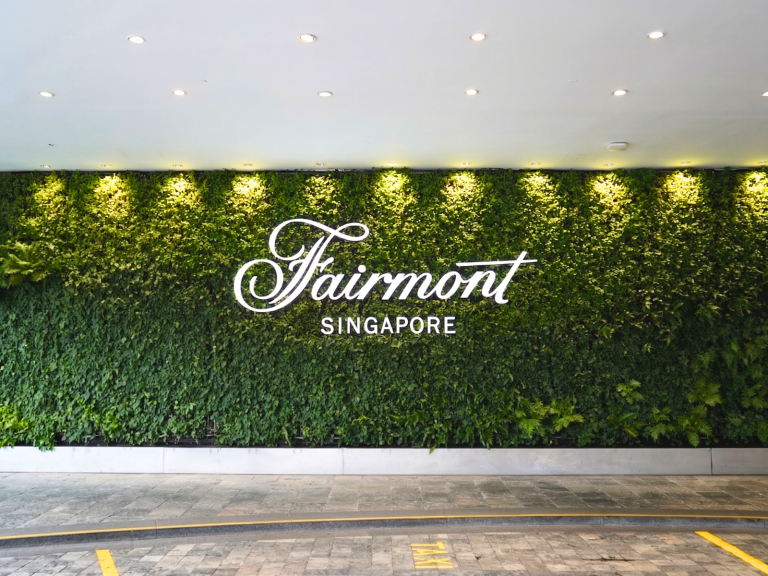
Green walls add vegetation to vertical surfaces, shading building facades and cooling surrounding air through evapotranspiration. This helps reduce indoor temperatures and improves thermal comfort in dense urban spaces.
3. Urban Trees and Microforests

Planting trees and creating urban microforests enhances shade, improves air circulation, and sequesters carbon, tackling both the UHI effect and carbon emissions simultaneously.
For example, The Microforest at Vidacity demonstrates how urban greening transforms heat-prone spaces into lush, cooling ecosystems.
Urban Heat in Singapore: A Local Perspective
Singapore’s dense urban landscape and year-round tropical climate make it particularly susceptible to the heat island effect.
Government initiatives like the Singapore Green Plan 2030 and NParks’ City in Nature vision aim to integrate more greenery into urban areas through parks, skyrise greenery, and nature-based cooling strategies.
Buildings adopting green roofs, vertical greenery, and sustainable irrigation systems not only meet BCA’s Green Mark standards but also contribute directly to heat reduction and environmental performance.
Towards Cooler, Greener Cities
The Urban Heat Island effect reminds us that climate resilience begins at the local scale.
By embracing green infrastructure, soilless roof and wall systems, and nature-based solutions, cities can become cooler, healthier, and more sustainable places to live.
At GWS Living Art, we design and build innovative green systems, from lightweight green roofs to modular vertical greenery, that help mitigate heat, manage stormwater runoffs, and promote biodiversity in urban environments.
Contact us to explore how GWS Living Art can help you create cooler, greener spaces in your next project.