What Is a Carbon Sink?
A carbon sink is a natural or artificial system that absorbs more carbon dioxide from the A carbon sink is any natural or man-made system that removes more carbon dioxide from the atmosphere than it emits. By storing this carbon, these systems help lower greenhouse gas levels and reduce the warming effect on our planet.
Types of Carbon Sinks:
1) Forests
Trees absorb CO₂ through photosynthesis, storing it in their trunks, branches, leaves, and roots.
2) Oceans
The world’s oceans act as massive carbon reservoirs, absorbing nearly one-third of all human-generated CO₂.
3) Soil
Healthy soil, rich in organic matter and microorganisms, can capture and store carbon for many centuries (even millennia) making it one of the most effective long-term carbon sinks on Earth.
4) Urban Greenery
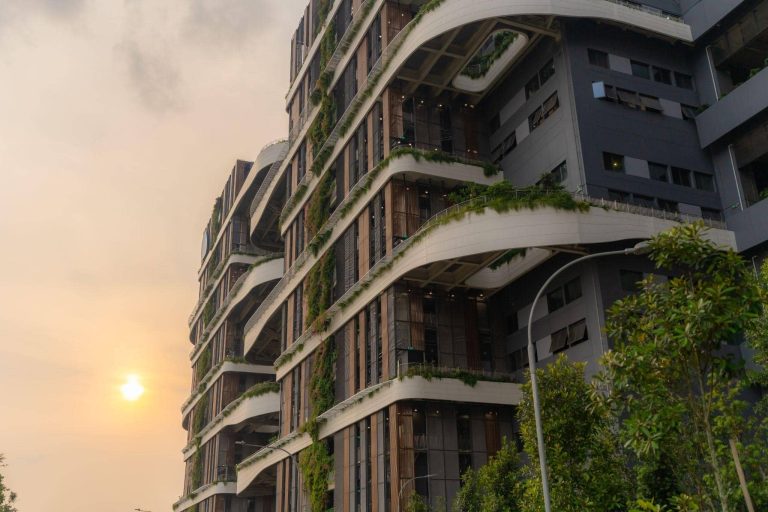
Green roofs, walls, and urban forests can also act as micro carbon sinks in cities.
Why Are Carbon Sinks Important?
1. Mitigating Climate Change
Carbon sinks play a vital role in maintaining the carbon balance by absorbing CO₂ from the atmosphere. They help slow down the rise in global temperatures by reducing the impact of the greenhouse effect.
2. Supporting Biodiversity
Natural carbon sinks like forests and oceans provide habitats for countless species. Conserving and restoring these ecosystems protects biodiversity while maintaining their carbon storage potential.
3. Reduce Global Warming
By absorbing CO₂, carbon sinks help reduce the pace of global warming and lessen its impacts, including more frequent extreme weather events.
4. Balance the Carbon Cycle
Carbon sinks are essential for regulating the Earth’s carbon cycle. They capture CO₂ from the atmosphere and store it in vegetation, soil, and oceans, helping to keep the climate and weather systems stable.
Urban Carbon Sinks: Greening the City Landscape
Cities may seem like unlikely places for carbon sinks — yet urban greenery can make a significant impact. With innovative landscape solutions, built environments can actively contribute to carbon capture.
1) Green Roofs
Green roofs help reduce surface temperatures, lower energy consumption in buildings, and naturally capture carbon through their plants and growing layers. Lightweight, soilless systems are designed to support healthy plant growth and retain water efficiently while keeping structural loads minimal.
2) Green Walls
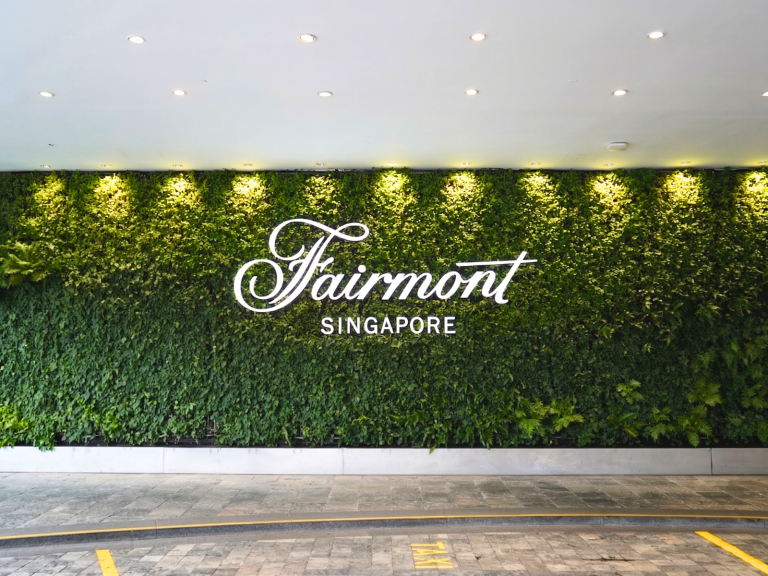
Vertical greenery systems, or green walls, increase plant coverage in dense urban spaces, improving air quality, providing insulation, and sequestering small but meaningful amounts of carbon in the process.
3) Trees and Microforests

Initiatives like urban tree planting and microforests enhance local biodiversity and act as community-scale carbon sinks.
Projects such as The Microforest at Vidacity transform underutilised urban land into vibrant ecosystems that absorb CO₂, manage stormwater, and offer natural spaces for the community to enjoy.
Building a Low-Carbon Future with Green Infrastructure
Every green roof, wall, and tree contributes to strengthening our cities’ capacity to act as carbon sinks, capturing CO₂, supporting biodiversity, and improving urban resilience. By bringing nature back into the built environment, we can turn cities into active participants in the fight against climate change.
Discover how GWS Living Art’s nature-based solutions help create healthier, low-carbon cities, one project at a time.